Recently, I listened to a teaching about healing. The teacher shared with the audience a selection of scriptures about healing, and the first one was Genesis 20:17-18. That caught my attention for a couple of reasons and led me on an interesting line of investigation and discovery.
One of the benefits of the public stance I have taken regarding the Biblical positions of patriarchy and polygyny have been the number of people who have reached out to me with questions, support, or to share their story in how the Father opened their eyes in this challenging area. Currently, I am blessed to see the breadth of what the Father is doing as my connections and contacts now span the globe and cross multiple languages.
The recent video series on YouTube has been a particularly good connector with others, especially Torah teachers and keepers.
Benjamin, in a recent email conversation, shared some extremely insightful thoughts on rightly framing the argument. In his own words (and with his permission), here are the significant portions of one email:
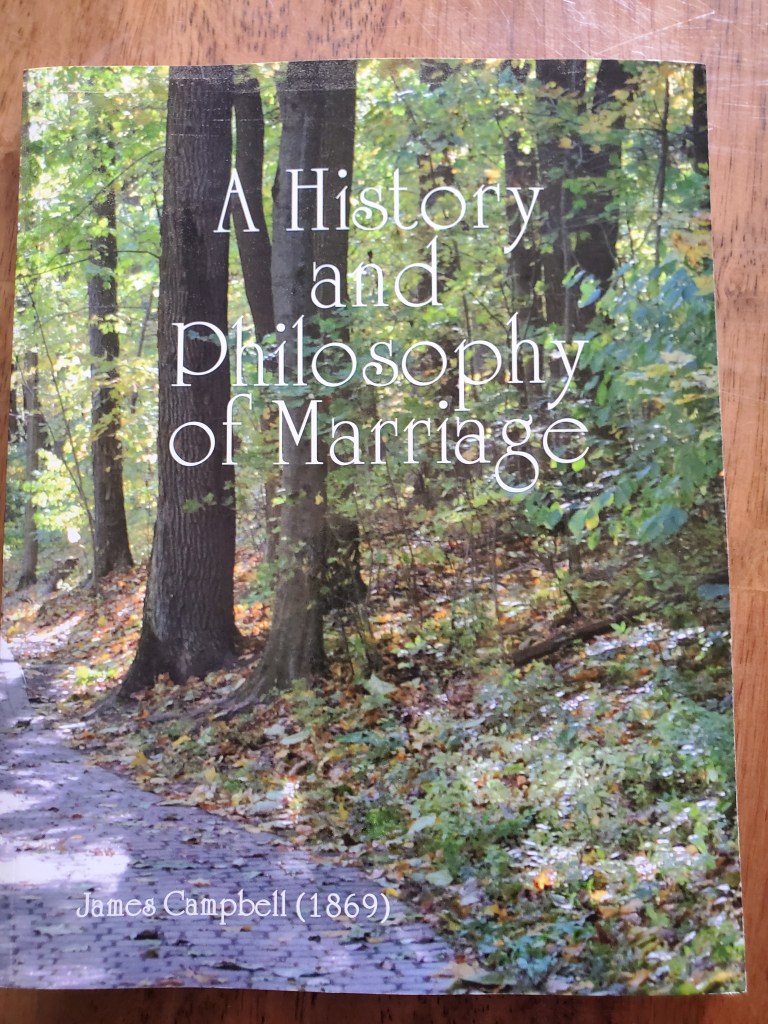
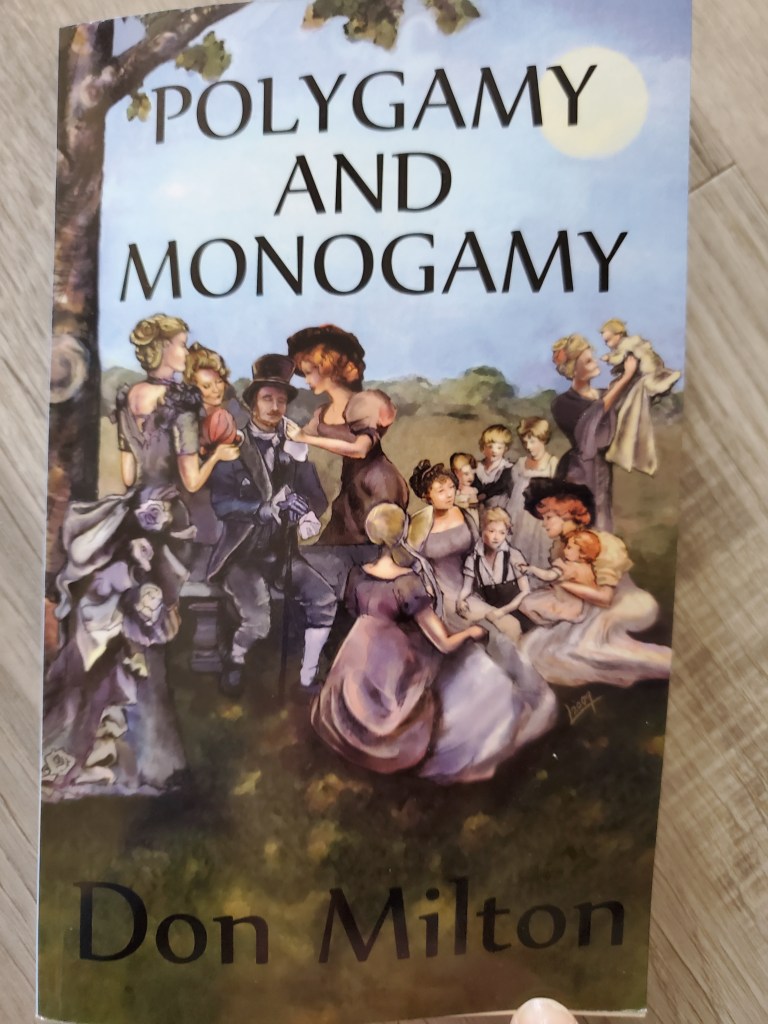
In 1869, a Christian philanthropist named James Campbell published a book titled The History and Philosophy of Marriage: Polygamy and Monogamy Compared. Filled with incredible wisdom and thought into natural law as well as Scripture regarding the societal effects of monogamy and polygamy. (Technically, the author always refers to polygyny, but uses the umbrella term polygamy.)
In the the Mishnah’s fourth book of Damages, Tractate Sanhedrin, there is an interesting short discussion of how many wives a king may have.
But first, what is the Mishnah?
The Mishnah is a six-part code of descriptive rules formulated toward the end of the second century A.D. by a small number of Jewish sages and put forth as the constitution of Judaism under the sponsorship of Judah the Patriarch, the head of the Jewish community of Palestine at the end of that century.
Jacob Neusner
The discussion is located in the second chapter of Sanhedrin, fourth section, clauses E-I.
2:4 E. He shall not multiply many wives to himself (Dt. 17:17) — only eighteen.
2:4 F R. Judah says, “He may have as many wives as he wants, so long as they do not entice him [to abandon the Lord (Dt. 7:4)]
2:4 G R. Simeon says, “Even if there is only one who entices him [to abandon the Lord] — lo this one should not marry her.”
2:4 H If so, why is it said, He should not multiply wives to himself?
2.4 I Even though they should be like Abigail [I Sam. 25:3]
Without question, modern culture is screwed up. Everybody knows this. Few, however, understand the solution and fewer still are willing to take the necessary steps.
The reason? Too many emasculated men and an ocean of rebellious women.
When Martin Luther nailed his list of 95 theses to a church door in Germany in 1517, he ignited a debate that led to the Protestant Reformation. Reading over the list of 95 theses, nothing there was said about marriage.
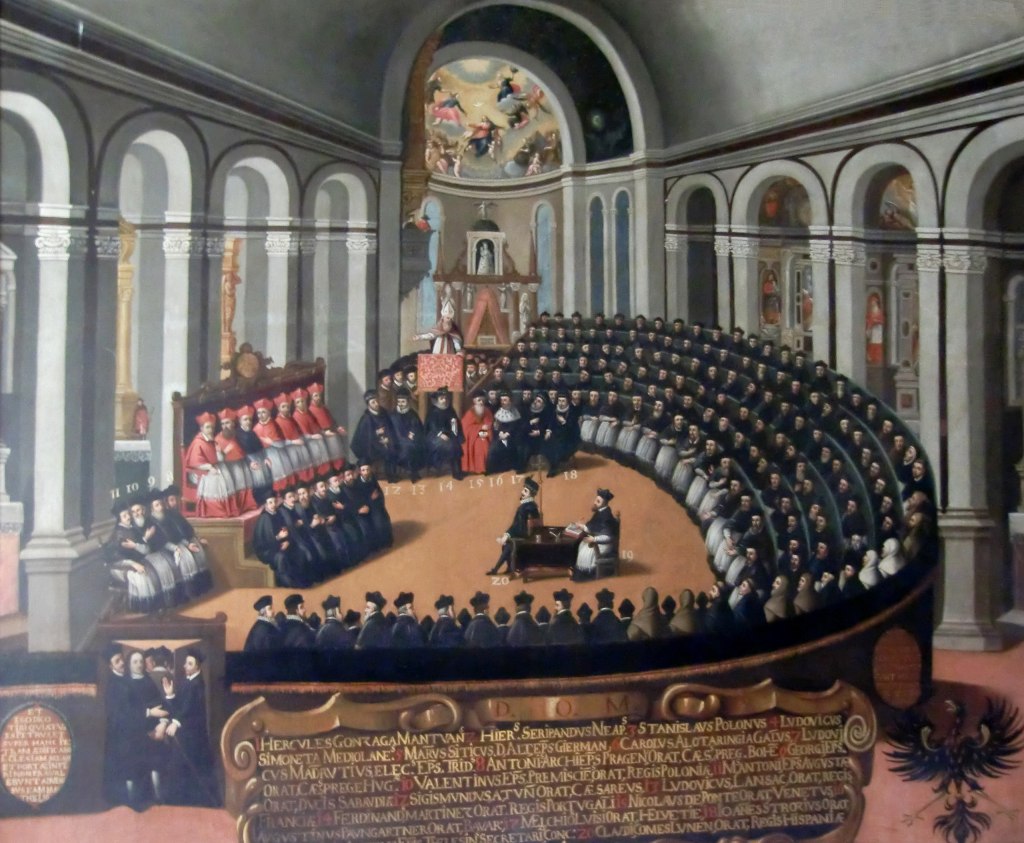
Yet, the Protestant Reformation over the next 30 years generated enough theological pressure that the Roman Catholic prelates convened the Council of Trent to create the Catholic Counter-Reformation. This Council met from 1545 to 1563 over 25 sessions.
In the 24th session, in the year 1563, the prelates considered matrimony. The text is available at this location: Council of Trent, 1563, Session XXIV. I quote from the preamble and the first three canons issued by this session below.





 11:3 Restoration