
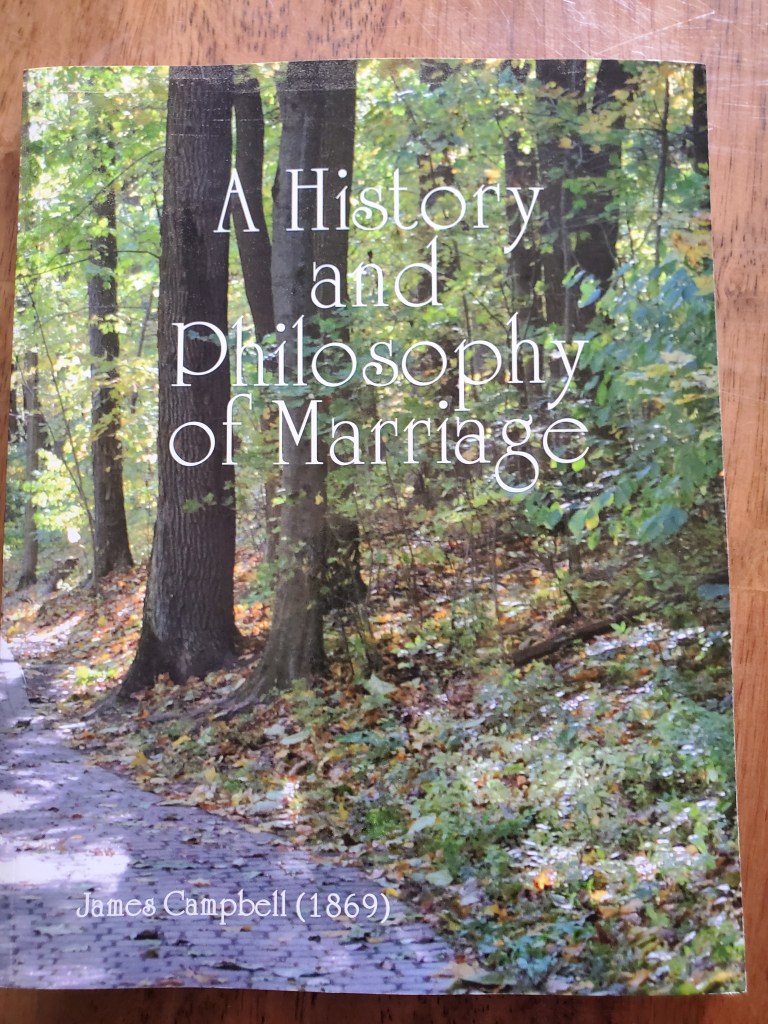
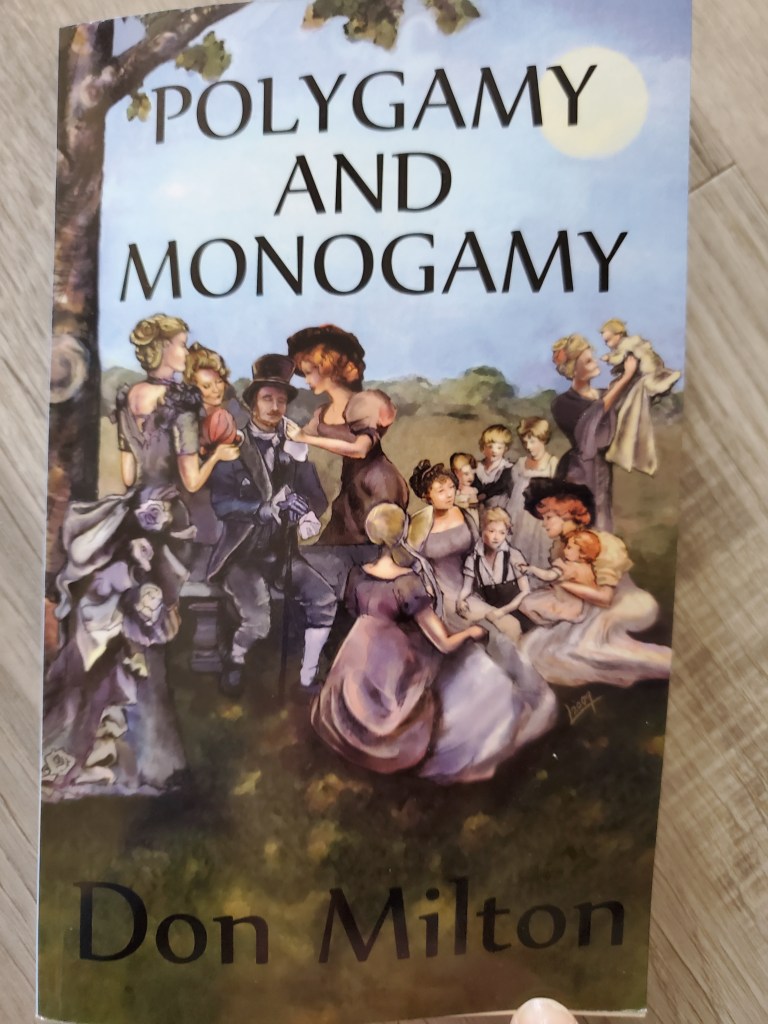
In 1869, a Christian philanthropist named James Campbell published a book titled The History and Philosophy of Marriage: Polygamy and Monogamy Compared. Filled with incredible wisdom and thought into natural law as well as Scripture regarding the societal effects of monogamy and polygamy. (Technically, the author always refers to polygyny, but uses the umbrella term polygamy.)
Continue reading “Some thought provoking quotes from James Campbell, c. 1869”Month: February 2021
Helpmeet: Who helps who?
During a recent conversation, someone opined to me that the man is his wife’s helpmeet. I was a bit shocked and had to respond to this thought.
In years past, I might have agreed out of ignorance, however I know the Scriptures much better now. Let’s review a couple verses and understand this ‘helpmeet thing’ a little bit more.
Continue reading “Helpmeet: Who helps who?”Marriage Laws: How many wives can a king have?
In the the Mishnah’s fourth book of Damages, Tractate Sanhedrin, there is an interesting short discussion of how many wives a king may have.

But first, what is the Mishnah?
The Mishnah is a six-part code of descriptive rules formulated toward the end of the second century A.D. by a small number of Jewish sages and put forth as the constitution of Judaism under the sponsorship of Judah the Patriarch, the head of the Jewish community of Palestine at the end of that century.
Jacob Neusner
The discussion is located in the second chapter of Sanhedrin, fourth section, clauses E-I.
2:4 E. He shall not multiply many wives to himself (Dt. 17:17) — only eighteen.
2:4 F R. Judah says, “He may have as many wives as he wants, so long as they do not entice him [to abandon the Lord (Dt. 7:4)]
2:4 G R. Simeon says, “Even if there is only one who entices him [to abandon the Lord] — lo this one should not marry her.”
2:4 H If so, why is it said, He should not multiply wives to himself?
2.4 I Even though they should be like Abigail [I Sam. 25:3]
 11:3 Restoration